
If you’re thinking about crypto, you’re not alone. Everywhere you look, people are talking about it. You hear stories of someone turning a few dollars into thousands. You see screenshots of profits. You see influencers saying, “This coin will 10x.” It feels exciting. It feels urgent.
And naturally, one question comes up:
Should you invest in crypto now… or fix your finances first?
Let me tell you the honest truth, because this really matters.
Most people should fix their finances first.
But don’t stop reading there. This is not about killing your dream. It’s about protecting you from painful mistakes.
Let’s break it down in a real, simple, beginner-friendly way.
The Truth Most People Don’t Want to Hear
Crypto is exciting. It’s fast. It feels like opportunity.
But here’s the reality:
Crypto is risky. Your basic finances should be stable before you enter risky markets.
Think of crypto like building a house.
You don’t start with the roof.
You start with the foundation.
Your financial foundation includes:
- Stable income
- No high-interest debt
- Emergency savings
- Basic budgeting skills
Without these, crypto can do more harm than good.
Why Beginners Rush Into Crypto
Let’s be honest. People don’t rush into crypto because they understand it deeply.
They rush because of emotions.
Here are the biggest reasons beginners jump in too early:
1. Fear of Missing Out (FOMO)
You see people making money. You feel late. You panic.
You think:
“If I don’t enter now, I’ll miss my chance forever.”
But crypto has cycles. There are always new opportunities.
2. Wanting Fast Money
Many people come to crypto not to invest — but to escape financial problems.
Rent is high. Income is low. Life is hard.
Crypto looks like a shortcut.
Unfortunately, shortcuts in finance usually lead to bigger problems.
3. Social Media Pressure
TikTok, YouTube, Telegram groups — they make it look easy.
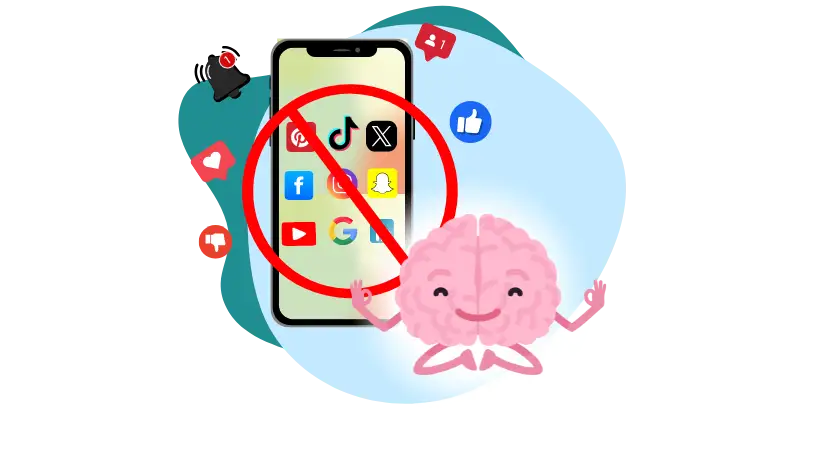
But remember:
People show profits. They hide losses.
The Big Question: Should You Invest Before Fixing Your Finances?
Let’s answer clearly.
If you have these problems, wait:
- You live paycheck to paycheck
- You have debt with high interest
- You don’t have savings
- You borrow money to invest
- You don’t understand risk
If that sounds like you, crypto should not be your first step.
Not because crypto is bad.
But because your position is fragile.
A Simple Analogy
Imagine this.
You’re on a small boat.
The boat already has holes. Water is coming in.
Instead of fixing the holes, you decide to go fishing in the middle of the ocean.
That’s what investing in crypto with weak finances feels like.
Fix the boat first. Then go fishing.
What Happens If You Ignore This Advice?
I’ve seen many beginners make this mistake. Let me share real patterns.
Example 1: The Borrowed Money Trap
Ahmed borrows $500 from a friend to buy crypto.
The market drops 40%.
Now he has:
- No profit
- Debt
- Stress
- Broken friendship
Crypto didn’t just hurt his money. It hurt his life.
Example 2: The Rent Money Mistake
A beginner invests rent money because a coin is “about to pump.”
The coin crashes.
Now they are not just losing money.
They are facing real-life consequences.
Crypto markets don’t care about your rent.
Example 3: Panic Selling
When you invest money you can’t afford to lose, emotions control you.
Small dip = panic
Small pump = greed
This leads to buying high and selling low — the opposite of smart investing.
What Does “Fixing Your Finances” Actually Mean?
This doesn’t mean becoming rich first.
It means becoming stable.
Here’s what stability looks like.
Step 1: Control Your Income and Expenses
Before investing in anything, ask yourself:
- Do I know where my money goes?
- Do I have a monthly budget?
Many beginners skip this.
But if you can’t manage $100, crypto won’t magically teach you to manage $10,000.
Start simple:
Track:
- Income
- Food
- Transport
- Rent
- Small daily spending
Awareness changes everything.
Step 2: Build an Emergency Fund
This is one of the most underrated steps.
An emergency fund is money saved for:
- Medical issues
- Job loss
- Family problems
- Unexpected expenses
A good beginner goal:
Save 3–6 months of basic living costs.
Why this matters in crypto:
When emergencies happen and you have no savings, you’ll be forced to sell your crypto at the worst time.
That’s how people lose.
Step 3: Kill High-Interest Debt
If you have debt with high interest, that’s your enemy.
Especially:
- Credit cards
- Loan apps
- Informal borrowing with pressure
You invest and make 20% in crypto.
But your debt charges 30% interest.
You’re still losing.
Paying off high-interest debt is one of the best guaranteed returns you can get.
Step 4: Learn Basic Money Discipline
Crypto rewards patience.
But beginners often lack financial discipline because they never practiced it.
Before crypto, build habits like:
- Saving regularly
- Avoiding impulse buying
- Delaying gratification
- Thinking long-term
These habits are more valuable than any coin tip.
So When Is It Okay to Start Crypto?
Good question.
You don’t need to be rich.
But you should be financially calm.
You’re ready when:
- Your basic needs are covered
- You have some savings
- No urgent debt pressure
- You can lose money without panic
The key phrase:
Only invest money you can afford to lose.
Not money you hope to afford to lose.
Money you truly can lose.
A Practical Beginner Framework
Here’s a simple structure I recommend to beginners.
Stage 1: Survival Mode
Focus on:
- Income
- Debt
- Savings
No crypto yet.
Stage 2: Stability Mode
You have:
- Emergency fund
- No toxic debt
- Budget control
Now you can start learning crypto slowly.
Stage 3: Growth Mode
Now you can:
- Invest small amounts
- Hold long-term
- Explore strategies
- Take calculated risks

This is where crypto starts making sense.
How Much Should a Beginner Start With?
A common question.
Here’s my honest advice:
Start small. Very small.
Even:
- $10
- $20
- $50
At this stage, you’re not trying to get rich.
You’re trying to learn.
Learning with small money is powerful because:
- You understand emotions
- You learn how wallets work
- You see market cycles
- You build confidence
Think of it as tuition, not investment.
Mistakes Beginners Make (And How to Avoid Them)
Let’s talk about real mistakes I see again and again.
Mistake 1: Investing Without a Plan
Many beginners just buy randomly.
No strategy. No timeline. No reason.
Fix:
Before buying, answer:
- Why am I buying this?
- How long will I hold?
- When will I sell?
If you don’t know, you’re gambling.
Mistake 2: Chasing Hype Coins
A coin is trending. Everyone is talking about it.
Beginners rush in late.
Usually, early buyers dump on late buyers.
Fix:
Avoid hype unless you understand market cycles deeply.
Mistake 3: All-In Mentality
Putting all savings into crypto.
This is dangerous.
Even experienced investors diversify.
Fix:
Crypto should be a part of your finances, not your entire life savings.
Mistake 4: Ignoring Real Life
Some beginners become obsessed.
They check charts all day.
They stop focusing on work or school.
This is unhealthy and risky.
Fix:
Your real life is your biggest asset. Protect it.
Mistake 5: Believing “Guaranteed Profits”
Anyone promising guaranteed returns is a red flag.
Crypto has no guarantees.
If someone says:
- “100% safe”
- “Risk-free”
- “Daily profit”
Run away.
Mistake 6: Copying Influencers Blindly
Influencers have:
- More money
- More experience
- Different risk tolerance
What works for them may destroy you.
Fix:
Learn principles, not just coin names.
My Personal Advice From Experience
Let me speak from the heart for a moment.
I’ve seen people win big in crypto.
I’ve also seen people lose everything.
The biggest difference wasn’t intelligence.
It was stability.
People who succeed long-term usually:
- Have patience
- Have discipline
- Have stable lives
- Think long-term
People who struggle often:
- Chase fast money
- Act emotionally
- Ignore financial basics
- Expect miracles
Crypto magnifies who you already are.
If you’re disciplined, it rewards you.
If you’re chaotic, it punishes you.
But What If You’re Poor and Want to Change Your Life?
This is a real, emotional question.
Many beginners come from difficult financial backgrounds.
They see crypto as hope.
And honestly, crypto can change lives.
But here’s the hard truth:
Crypto helps people who prepare.
It hurts people who gamble.
If you’re starting from zero, your best investment might be:
- Skills
- Education
- Better income sources
- Financial literacy
Then crypto becomes a powerful tool — not a desperate bet.
Smart Ways to Enter Crypto Safely
If you really want to start now, here are safer ways.
1. Start With Learning, Not Money
Spend time understanding:
- How wallets work
- Market cycles
- Security basics
- Scams
Knowledge protects you more than luck.
2. Use “Learning Money”
Only invest what you’re okay losing.
Treat early investments like paying for education.
This removes pressure and fear.
3. Think Long-Term
Many beginners want fast gains.
But long-term holders often win more.
Patience is underrated in crypto.
4. Protect Your Mental Health
Crypto is emotional.
Prices go up and down fast.
If you notice:
- Anxiety
- Obsession
- Sleep problems
Take a step back.
No profit is worth losing your peace.
A Simple Rule You Can Remember
If you remember nothing else from this article, remember this:
Build your financial roots before chasing financial fruits.

Roots first. Fruits later.
Without roots, even big gains don’t last.
Final Thoughts
So, should you invest in crypto before fixing your finances?
For most beginners:
No. Fix your finances first.
Not because crypto is bad.
But because your foundation matters.
Crypto is not a magic solution.
It’s a powerful tool — in the right hands.
If you take the time to:
- Build stability
- Learn patiently
- Start small
- Avoid hype
You give yourself a real chance to win.
But if you rush in with:
- Debt
- Pressure
- Desperation
- No plan
Crypto can become a painful lesson.
Take your time.
Move wisely.
Think long-term.
Your future self will thank you.